
K.I.S.S.
Vehicle Overview
SUMMARY:
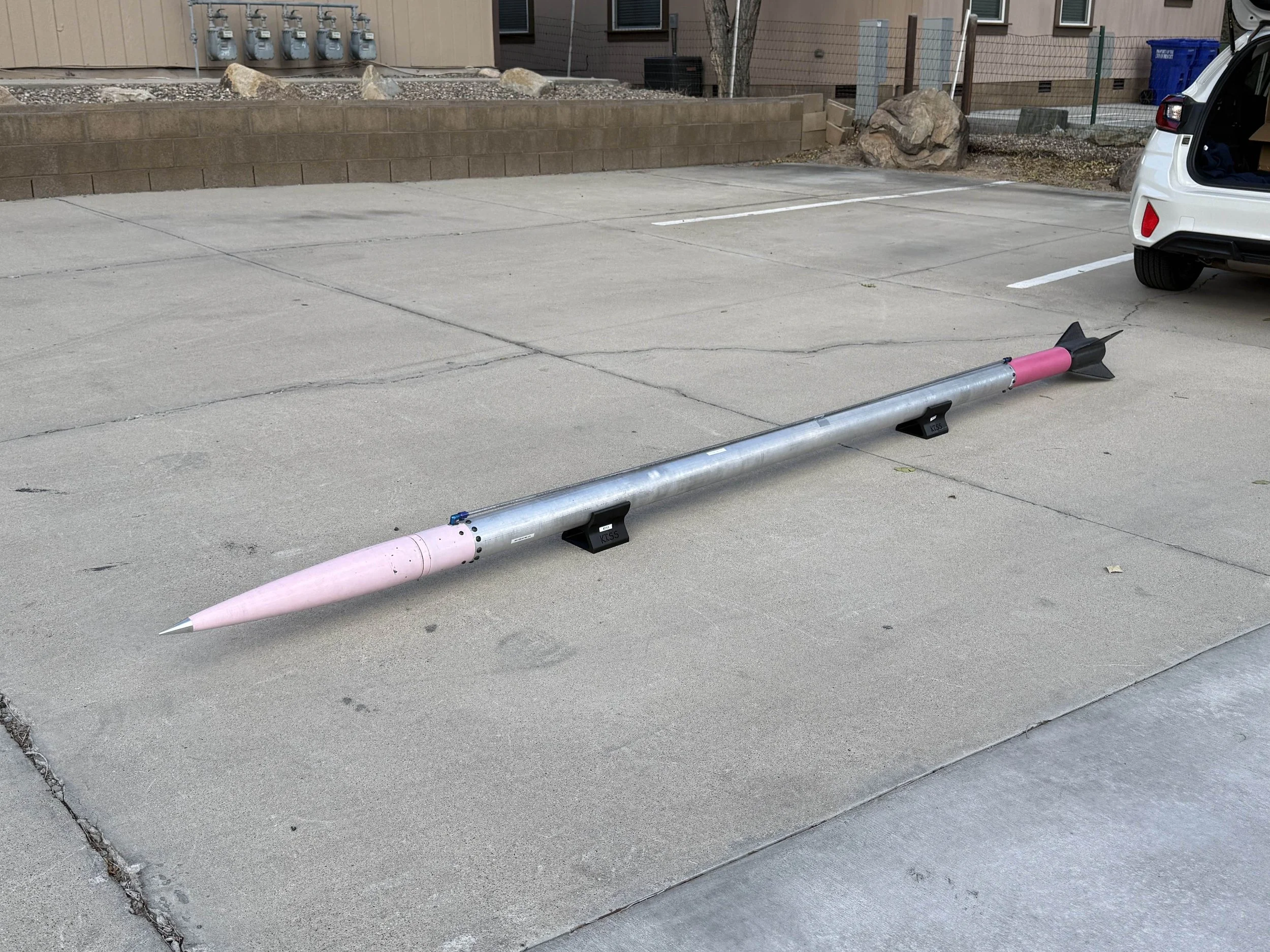
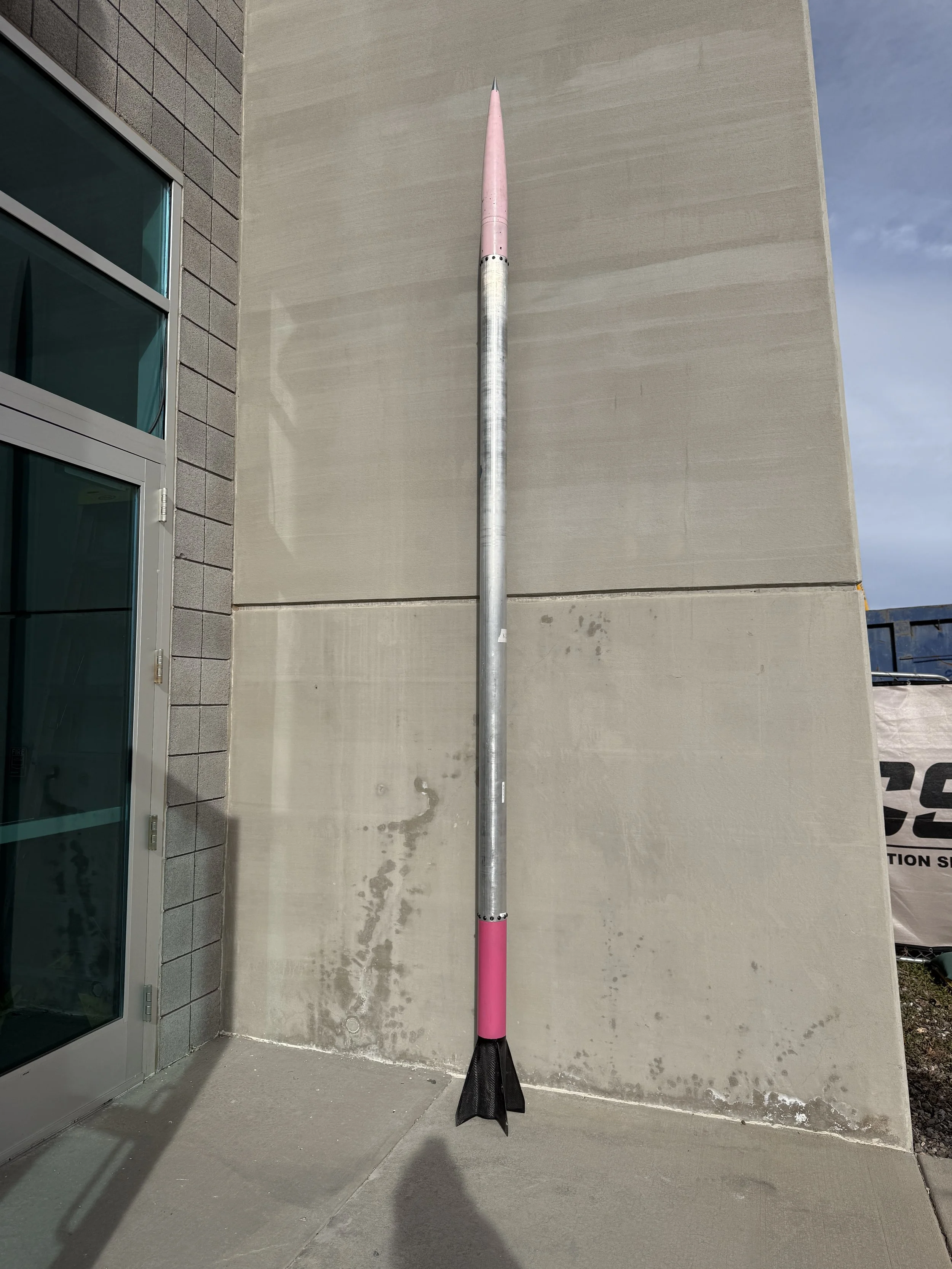
KISS (Keep It Simple Stupid) Pink Pony is a bipropellant liquid rocket utilizing nitrous oxide and alcohol as propellants. Our goal is to simplify a liquid rocket as much as possible while still breaking records. With an apogee of around 40,000ft, we are aiming to beat the Collegiate Recovered Liquid Rocket Altitude Record, which is currently 30,187ft. We will compete in the FAR Ten Cents Per Foot Competition, aiming to earn money for future vehicles. The vehicle is nearly complete, and we are aiming to launch on September 19th, 2026. We passed our CoDR in Oct 2024, PDR in Nov 2024, CDR in Mar 2025, and TRR in April 2025. Another TRR will be needed ahead of the Fall 2026 test campaign.
STATS:
Oxidizer: Nitrous Oxide
Fuel: Alcohol
Diameter: 4”
Length: 154”
Thrust: 650 lbf
Pressurization: VAPAK w/ piston
Recovery Test Flight
On July 19th, 2025, the recovery system was flown on a commercial solid motor to a 2000ft apogee. This test took place at Richard Bong State Recreation Area in Kansasville, WI. All deployment charges fired as expected, and the rocket was recovered with no damage. This test verified that the recovery system would work in flight on the actual rocket. One more deployment test will take place before flight to verify the airframe-to-tank interface does not leak.
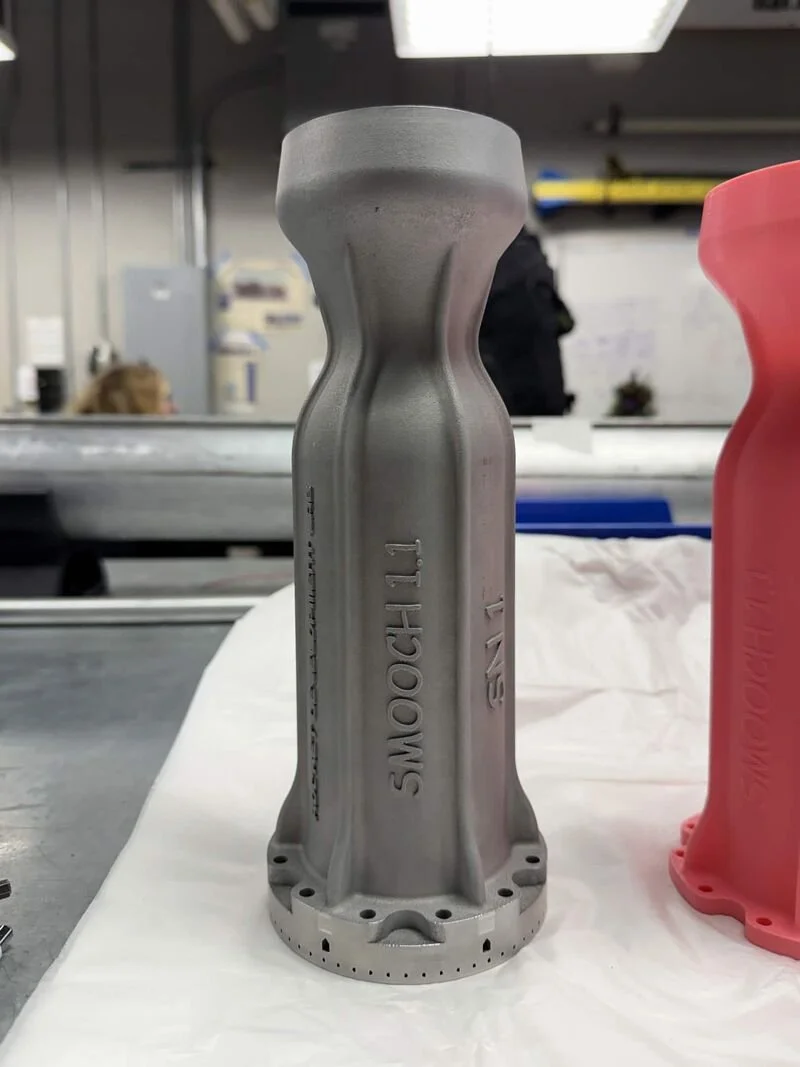
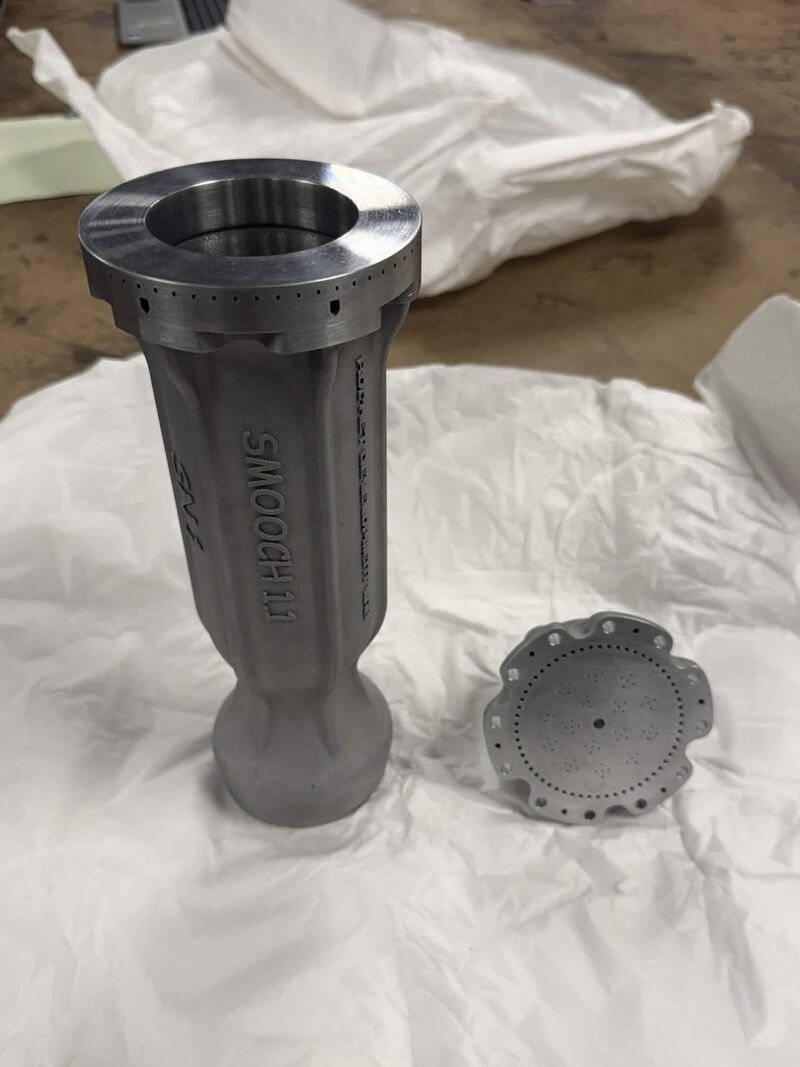
Smooch 1.1
In October of 2025, the vehicle’s original engine, Smooch 1.0, was stolen. This was a major setback for the team and resulted in the loss of months of design and manufacturing. Rather than allowing the incident to halt progress, the team used it as an opportunity to revisit the original design and implement several improvements.
The result was Smooch 1.1, a redesigned engine that addressed shortcomings identified in the original while also targeting improved overall performance. The new engine features integrated fuel inlets, eliminating the manufacturing challenges associated with the original fuel inlet design. It also incorporates a 15-element impinging pentad injector, replacing the previous 6-element injector configuration. This redesign is expected to improve propellant mixing and distribution, resulting in increased combustion efficiency and performance.
The engine arrived in late March, 2026 with machining planned to finish by the end of summer. We are currently aiming to fire and fly in September.
THE TEAM
Cameron Hilstad - Team Lead, Engine RE
McKenzie Kelly - Fluids Lead, Manufacturing Lead
Quentin Trull - Electronics Lead
Calvin Lindemann - Software Lead
Henry Johnson
Parker Scribner
Ian Bokovoy
Rachel Kohm
Valentine Allen
Former Students:
Thomas Ross - Structures Lead
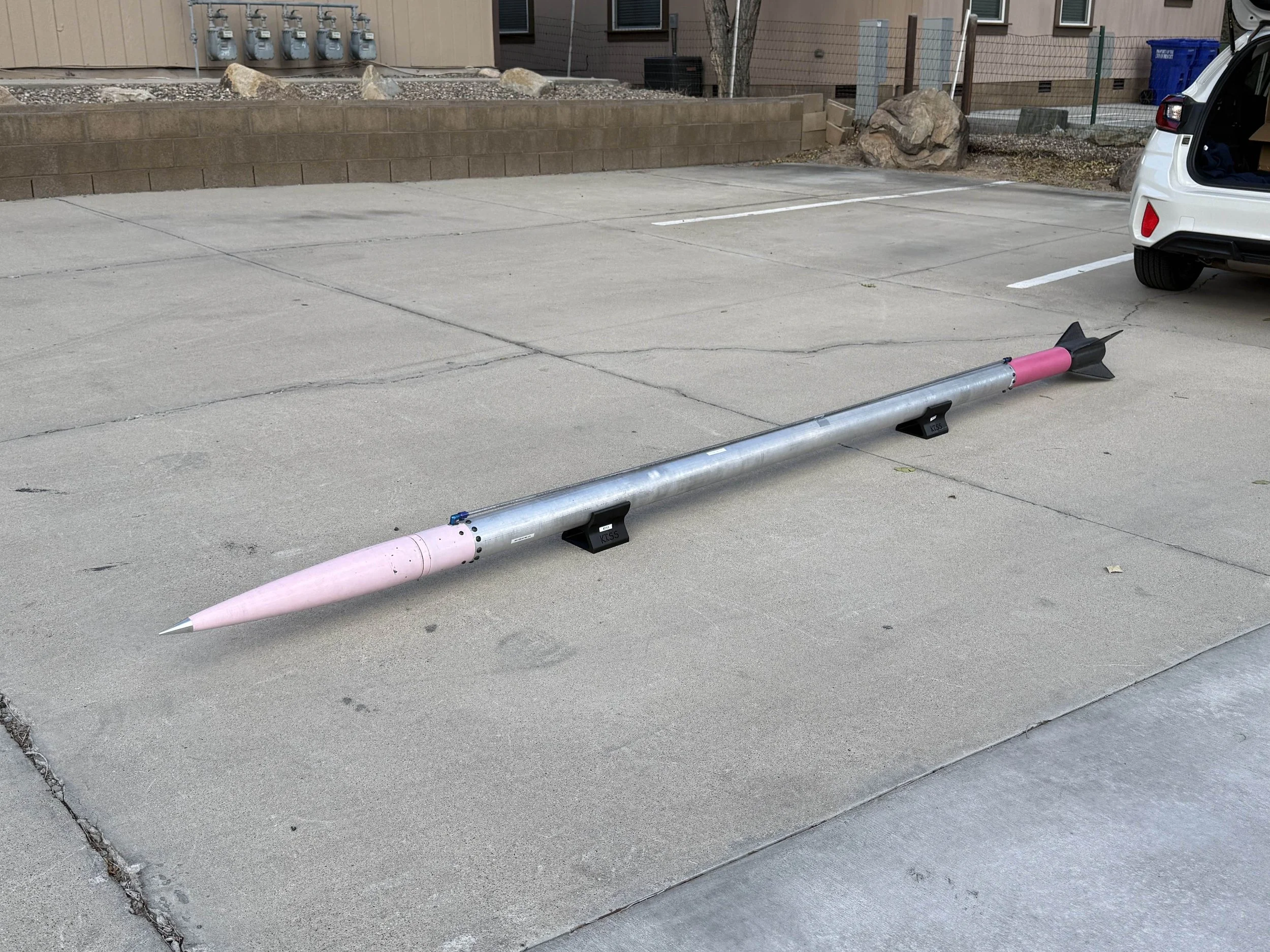
Full Vehicle
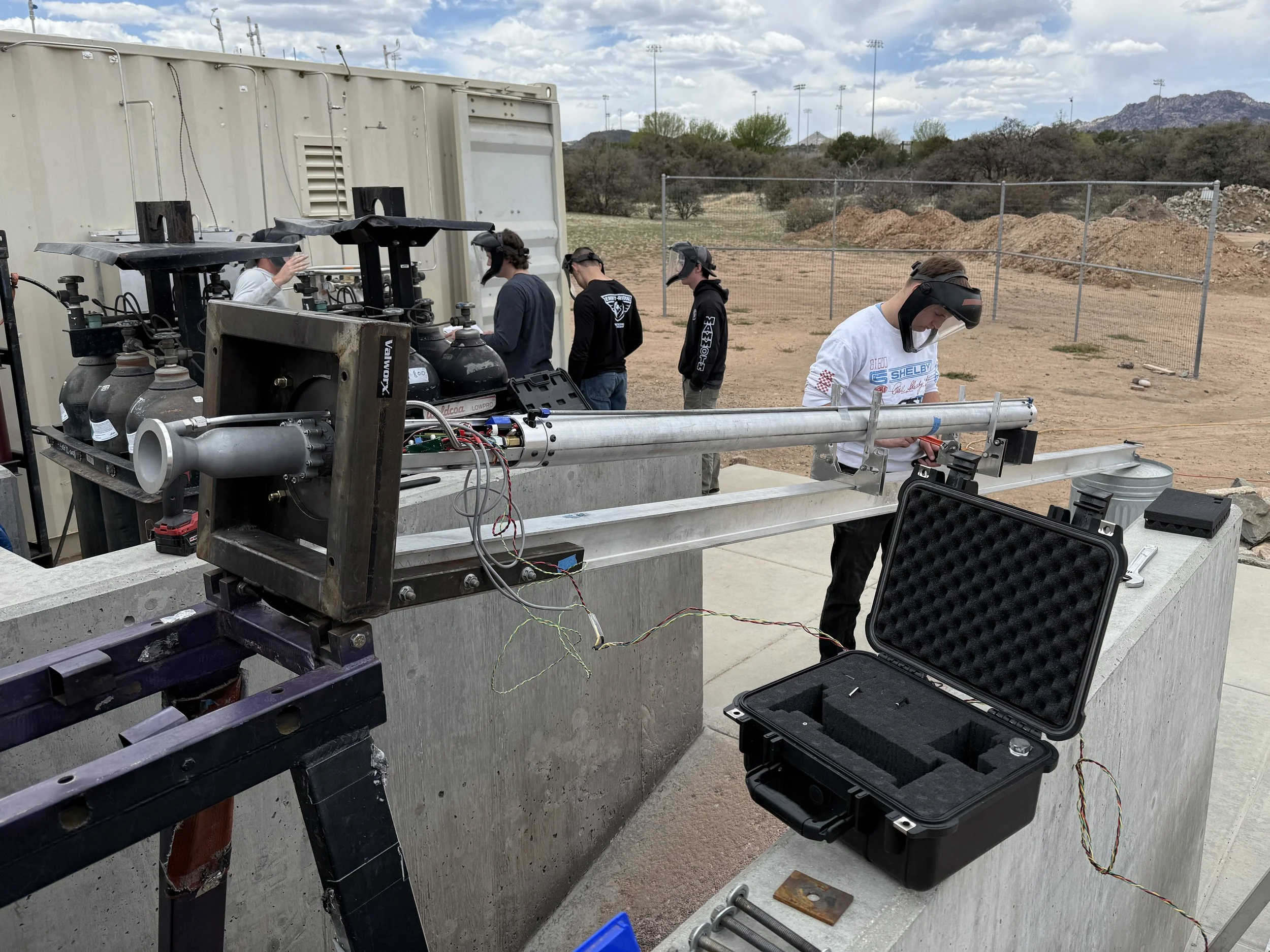
First hotfire attempt (5/1)

Second hotfire attempt (5/2)
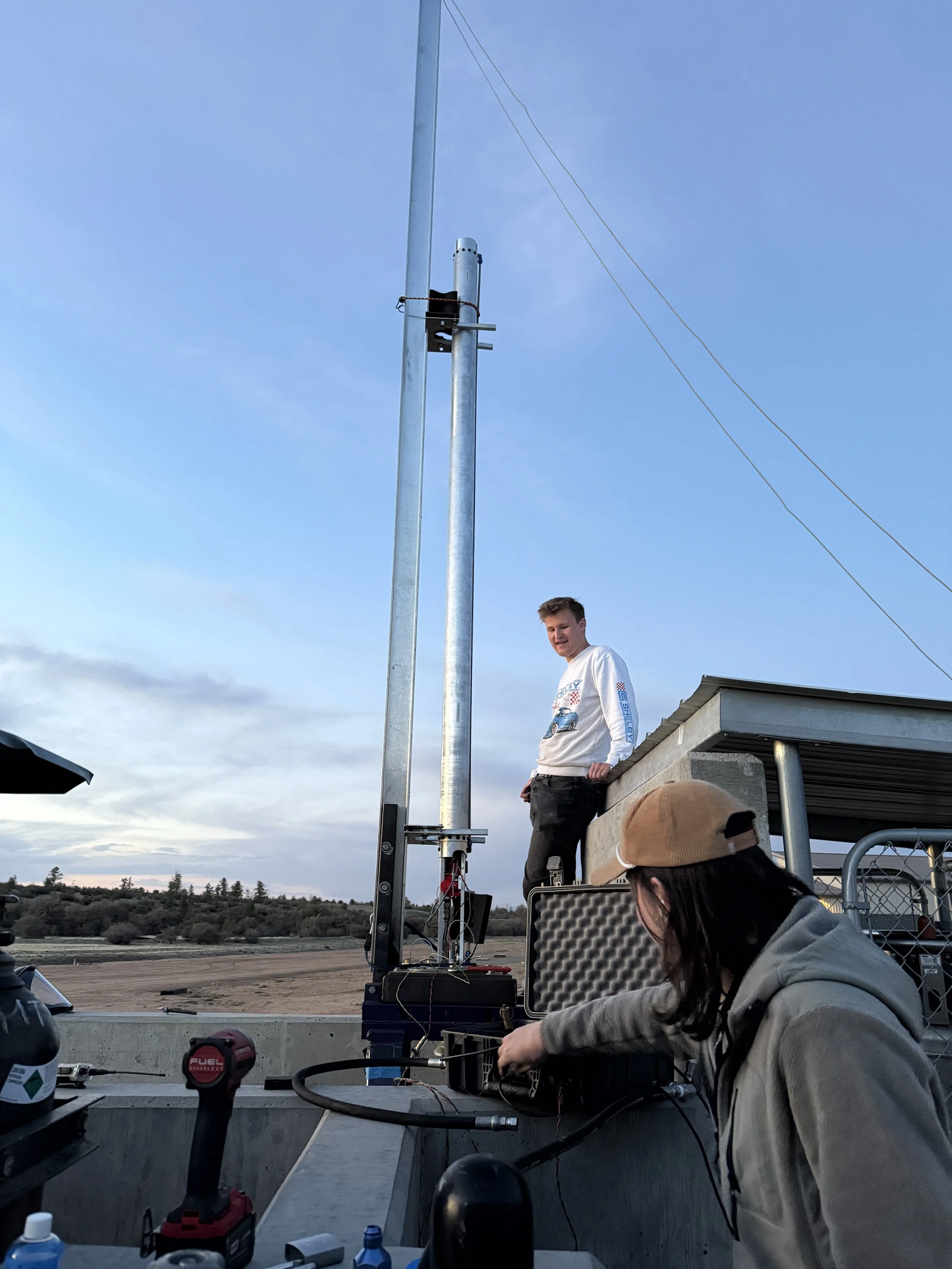
Second hotfire attempt (5/2)
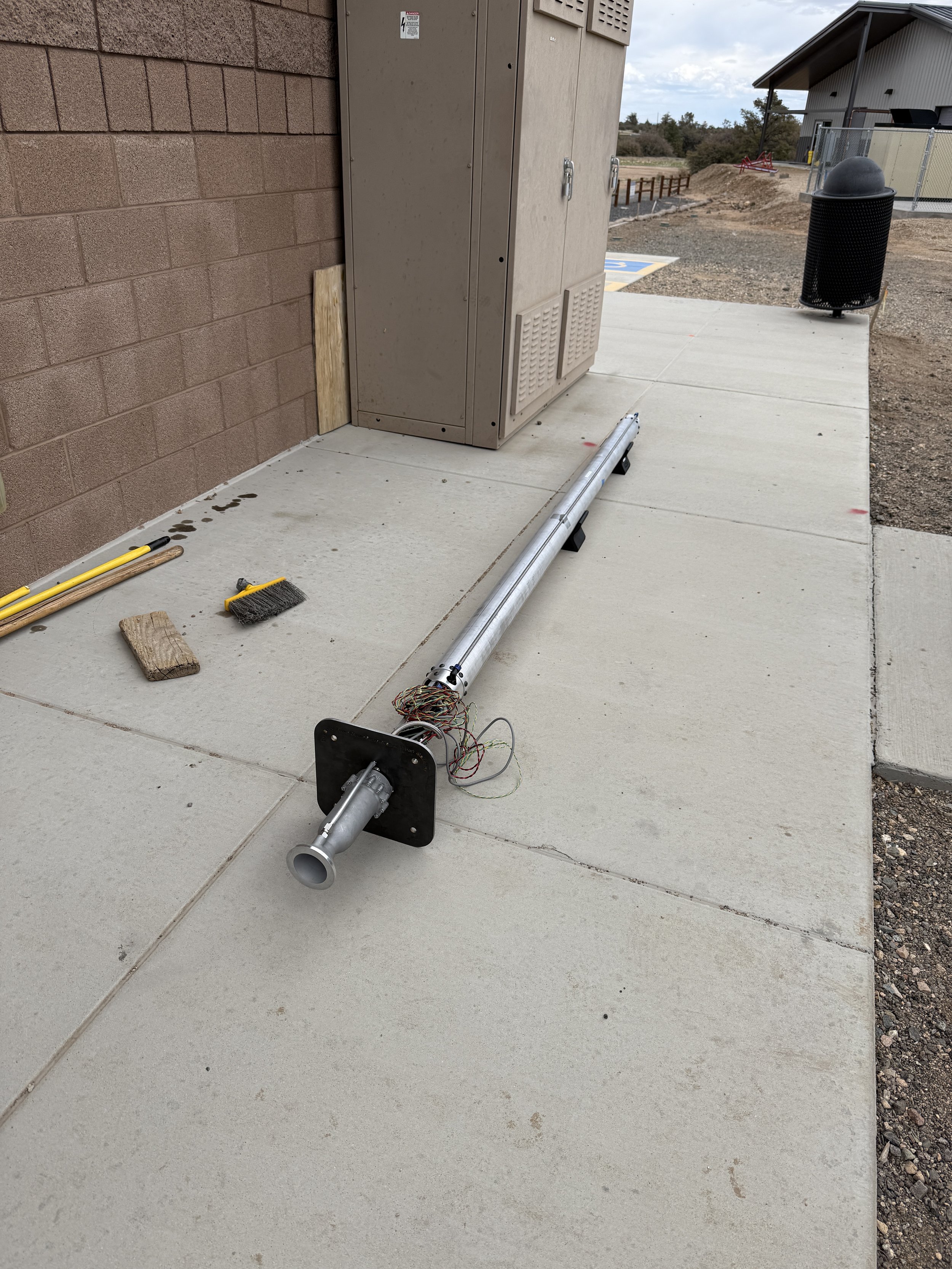
Vehicle before hotfire

Second hotfire attempt (5/2)
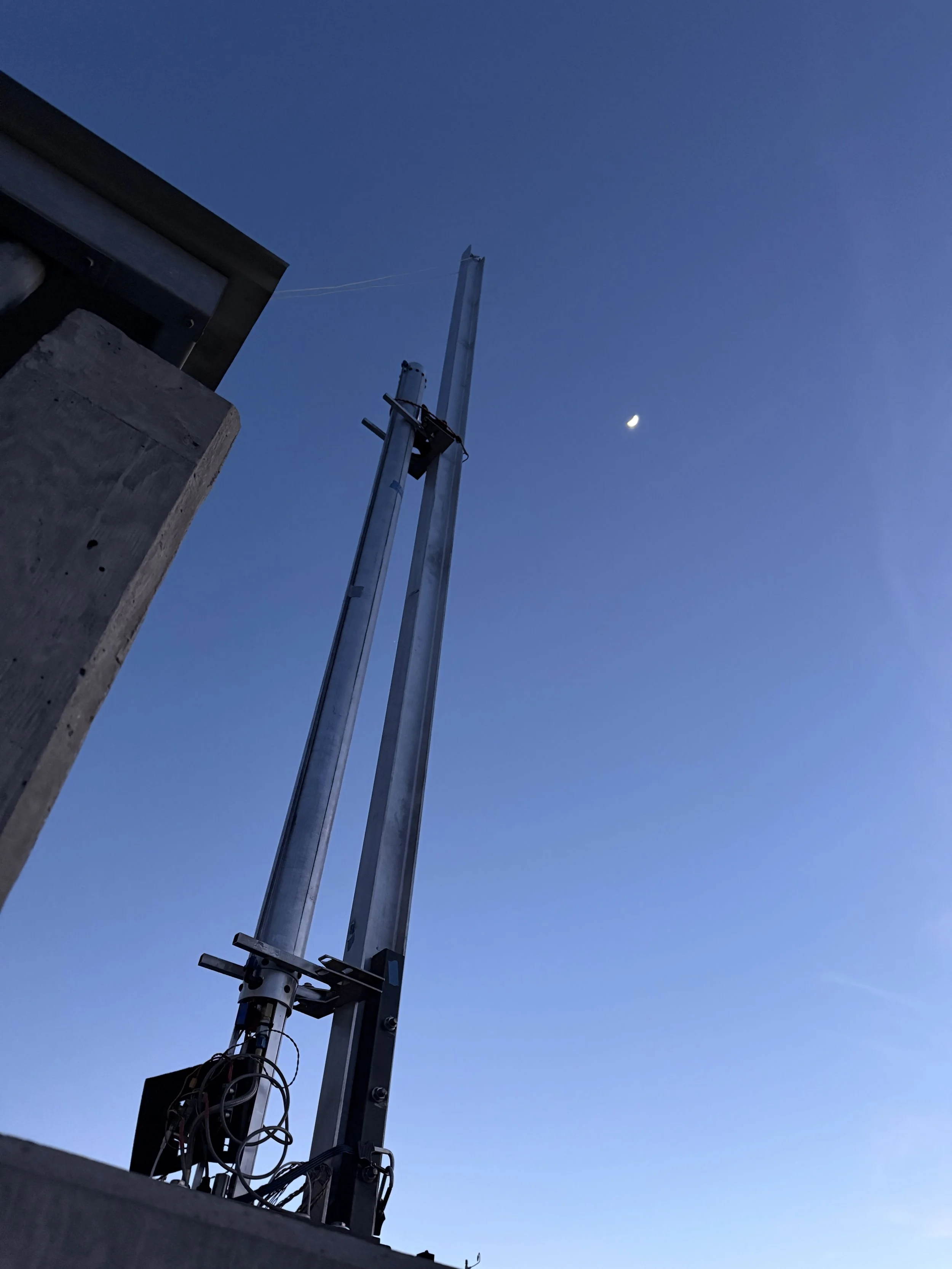
Second hotfire attempt (5/2)
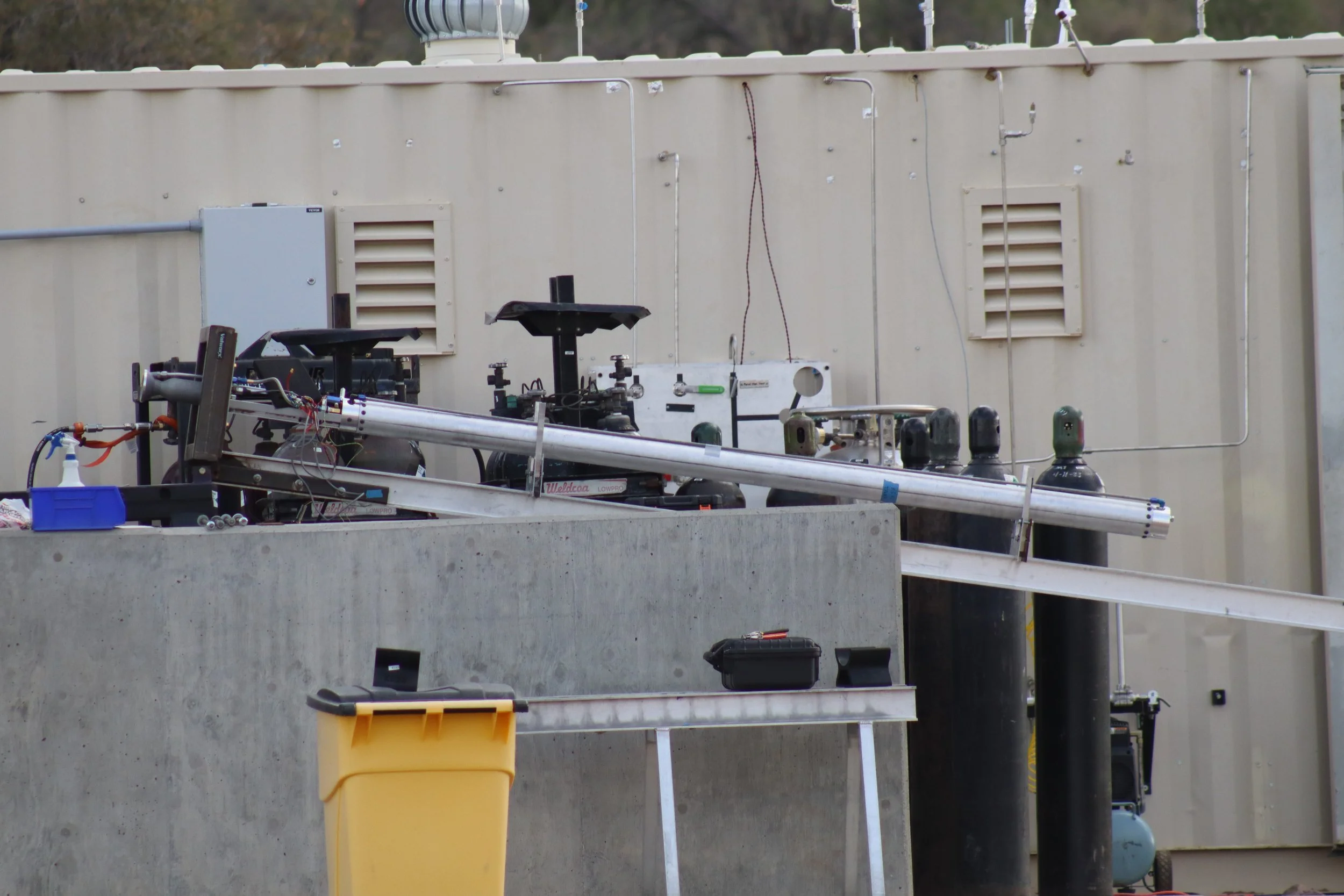
First hotfire attempt (5/1)
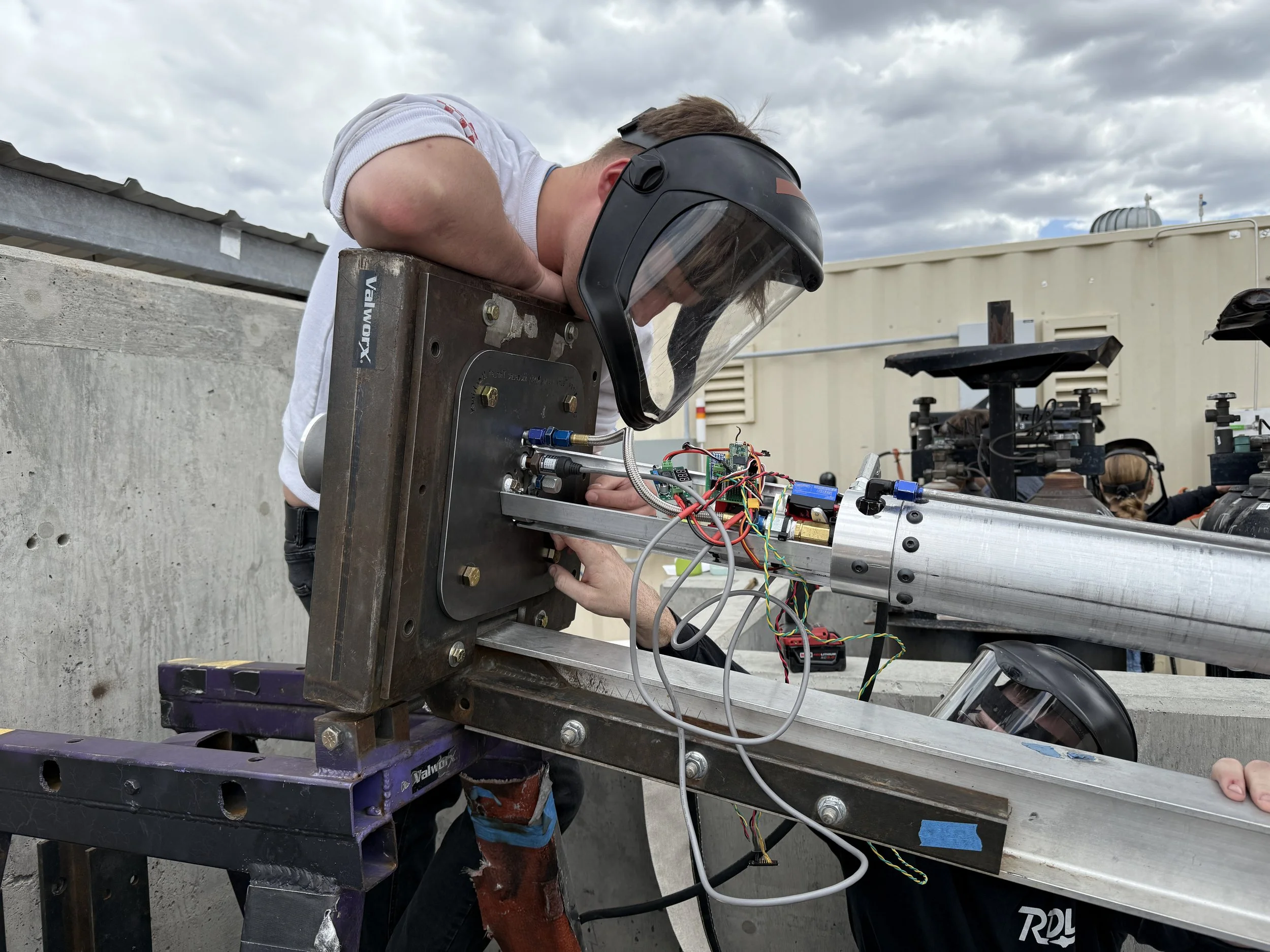
First hotfire attempt (5/1)
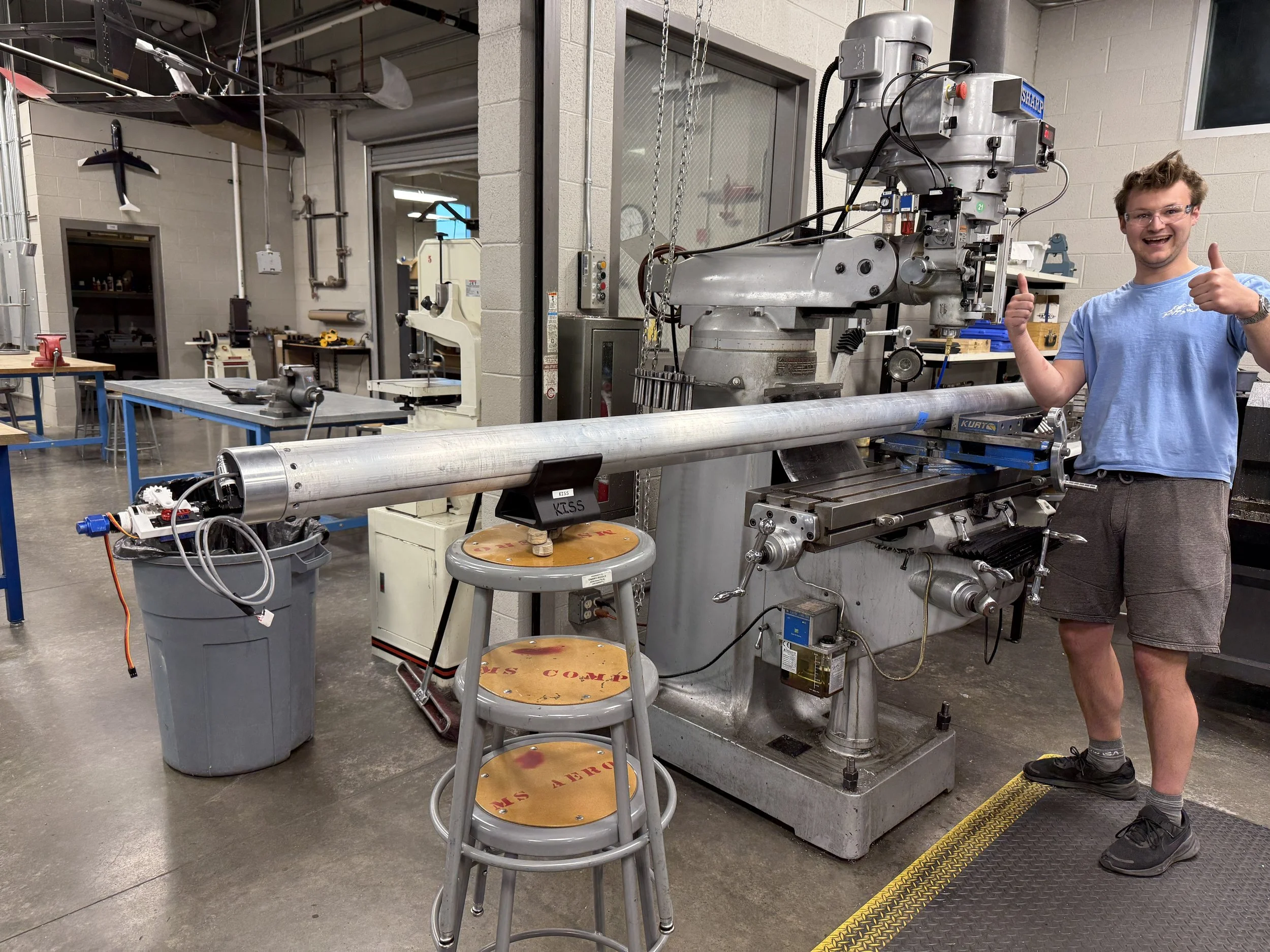
Static Vent Drilling
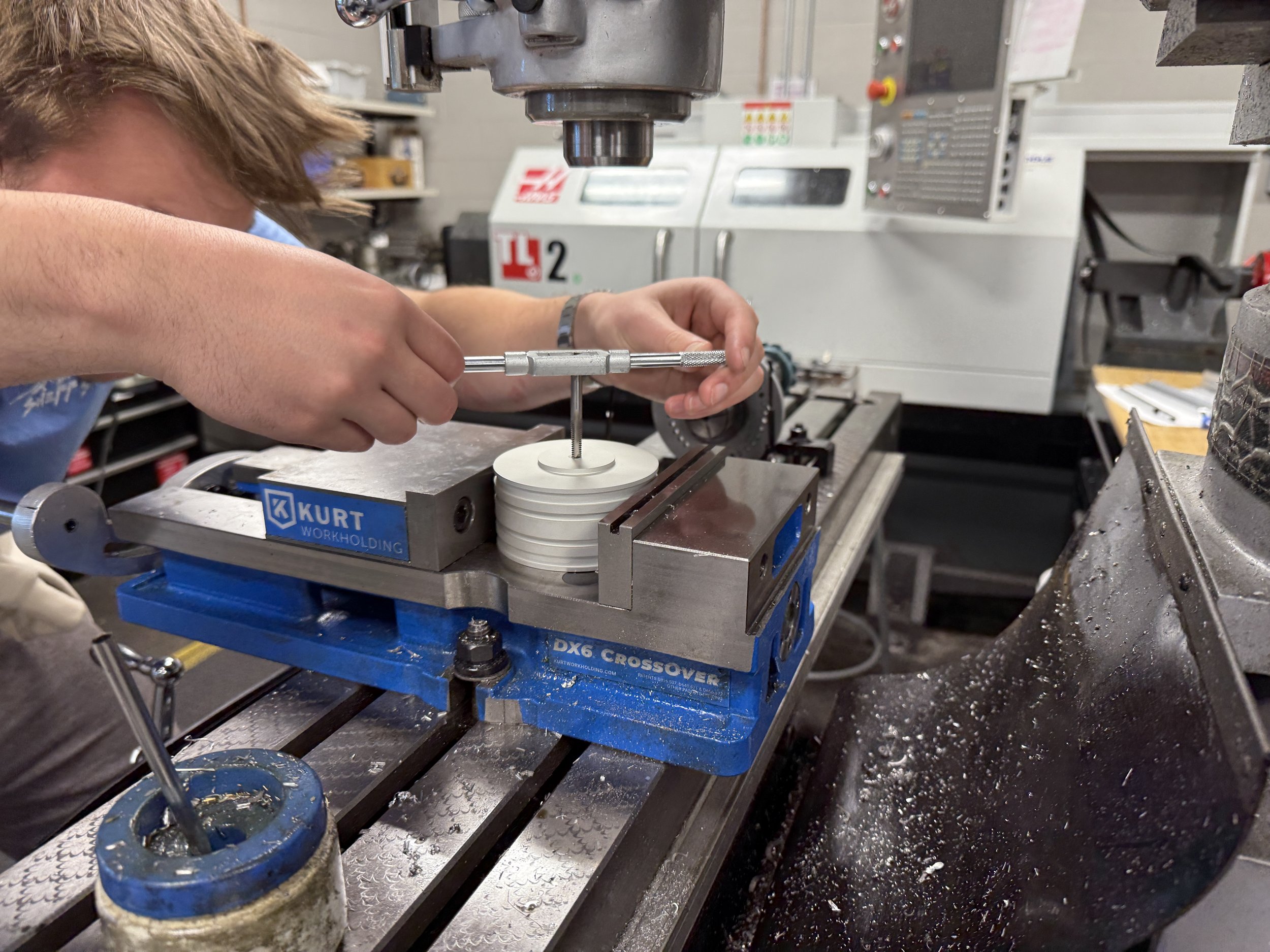
Piston tapping
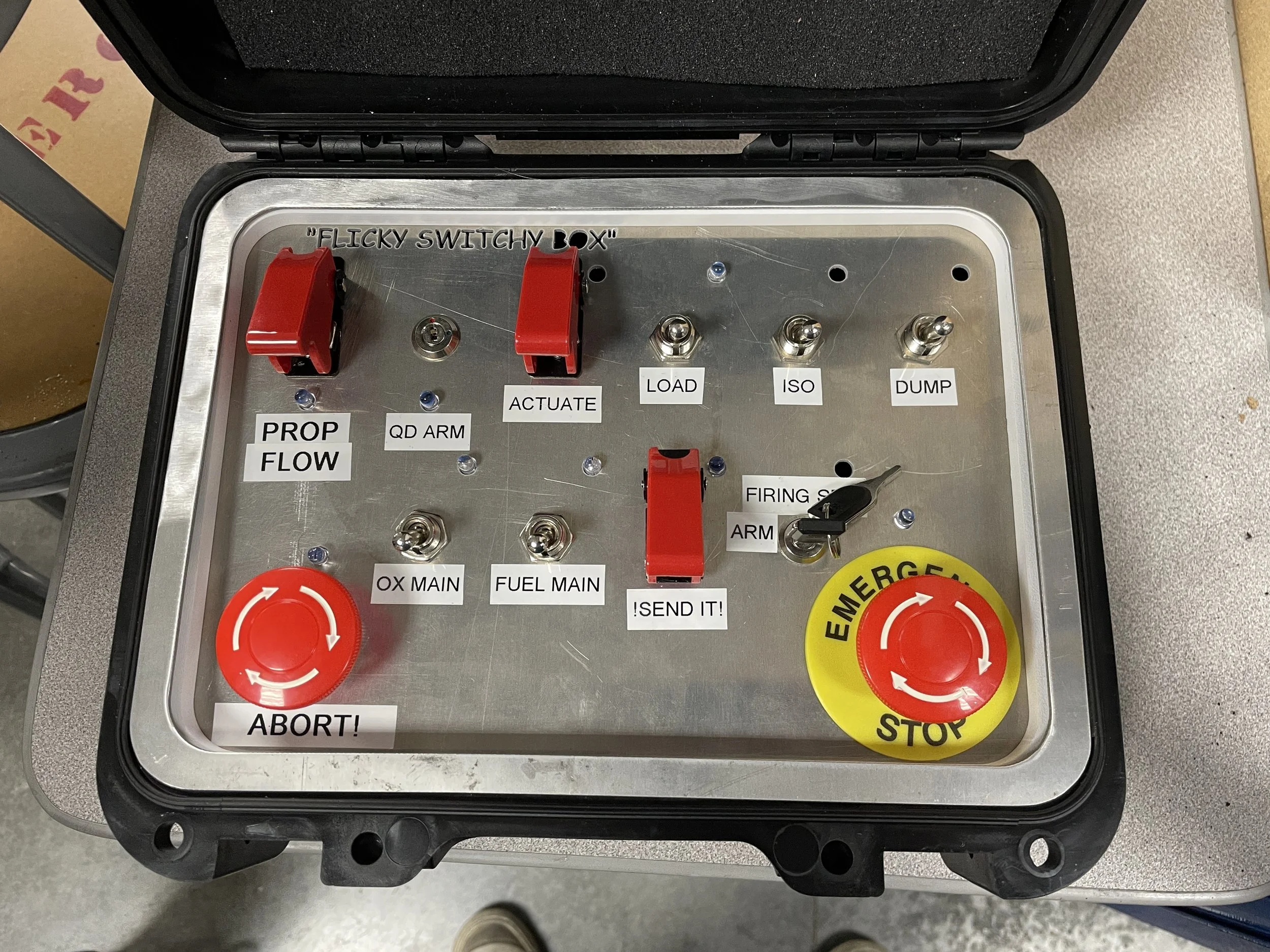
Flicky Switchy Box
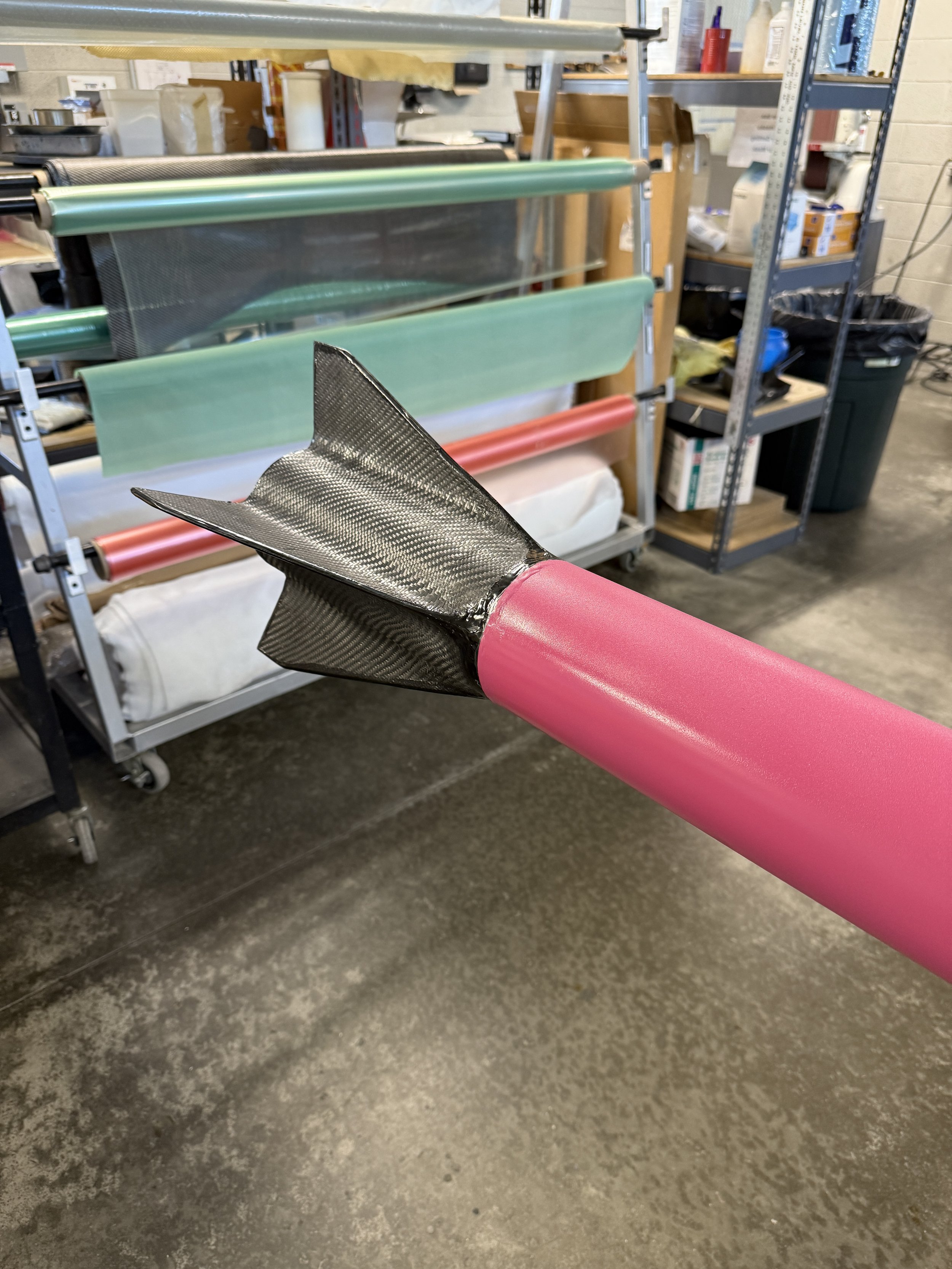
Fin Can
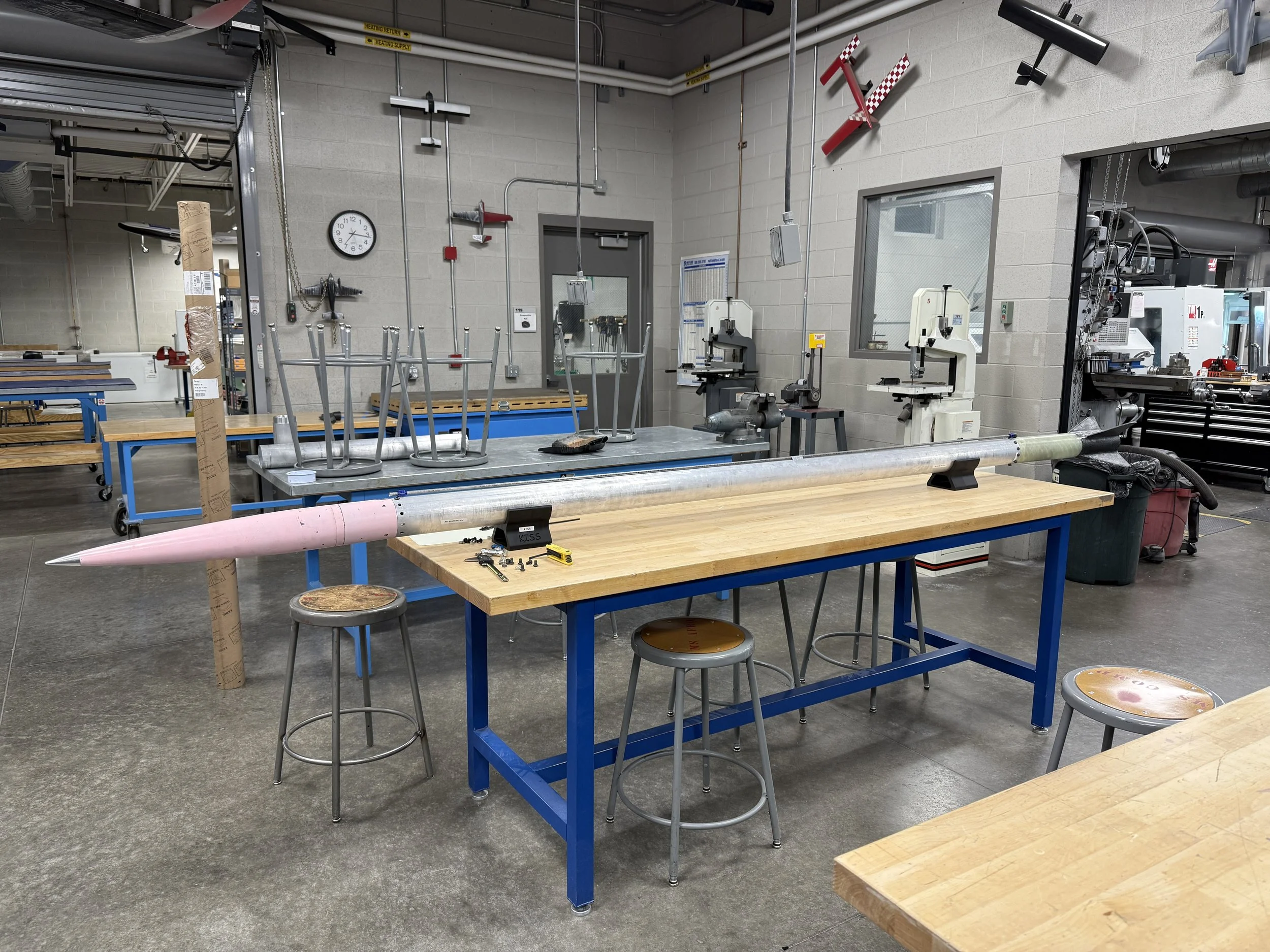
First full vehicle integration
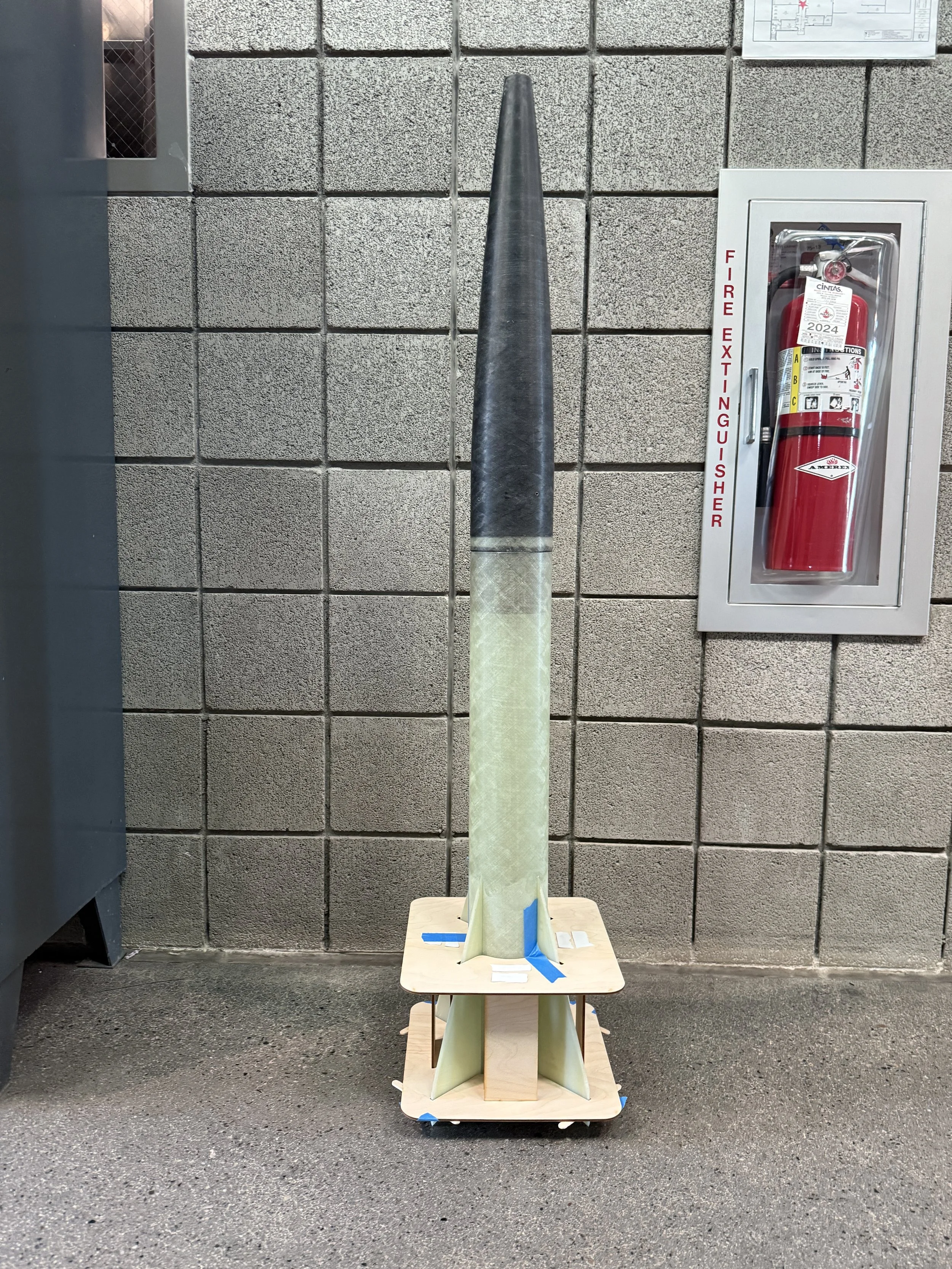
Composite sections
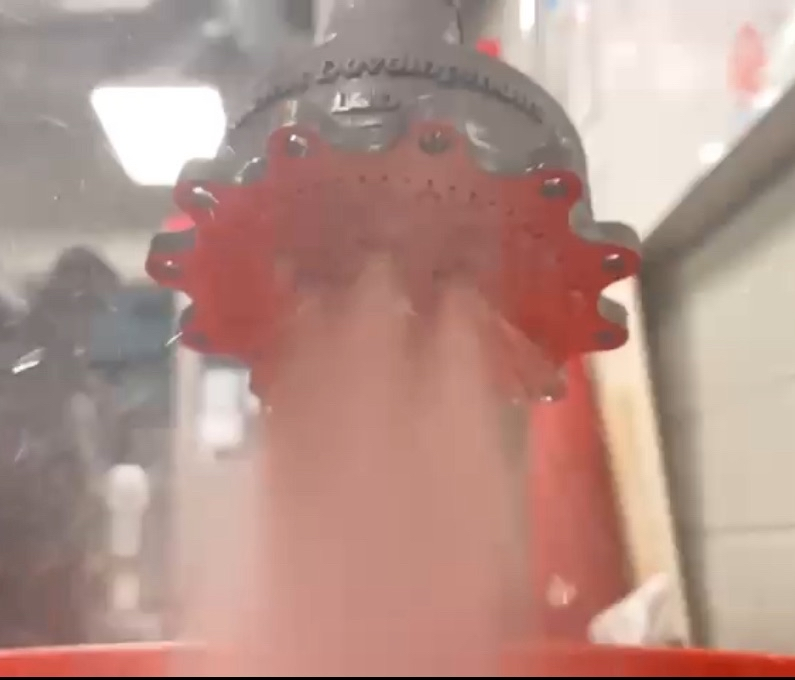
Injector cold flow (75 psi)
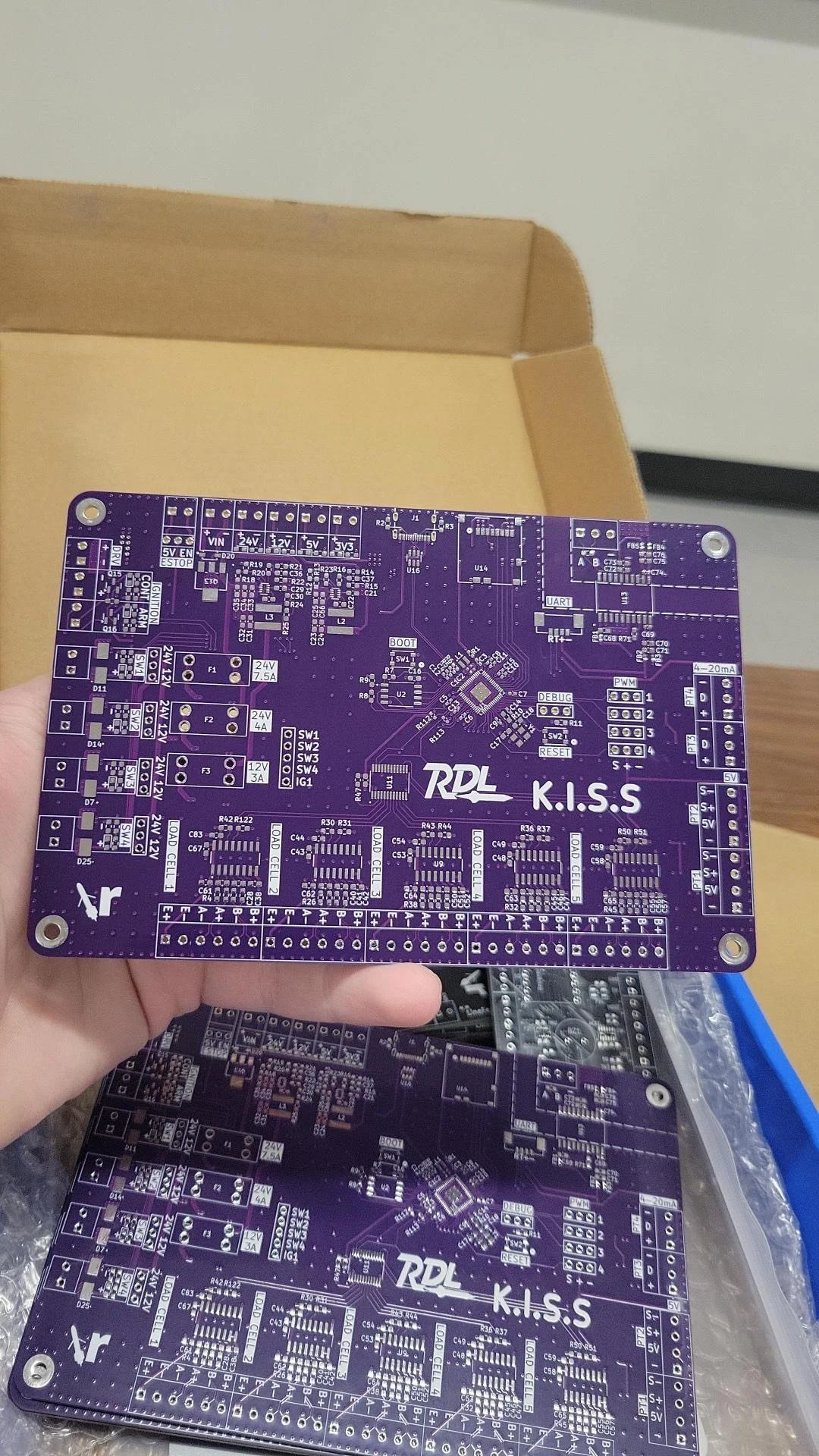
GSE control board
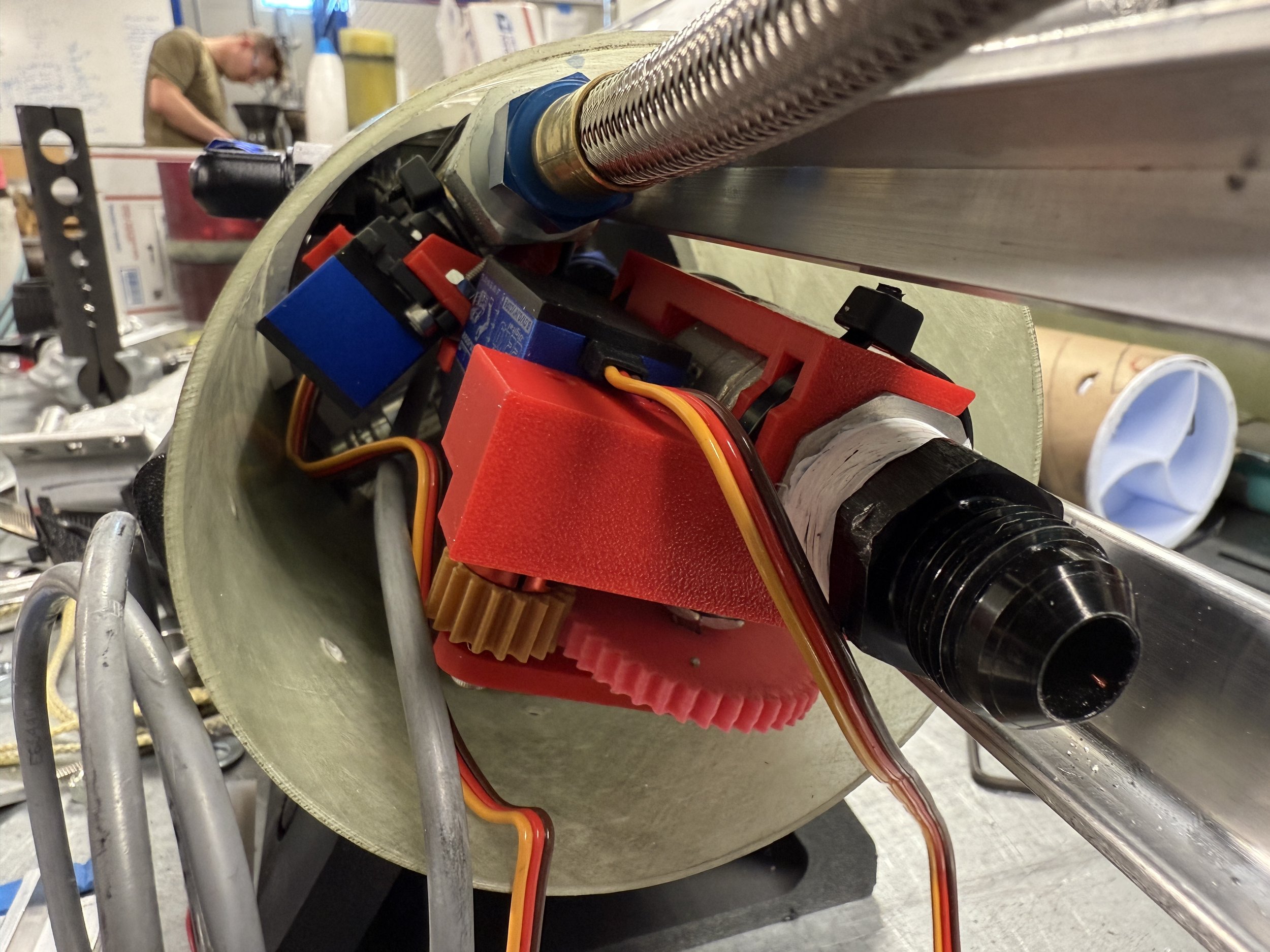
Fluids system
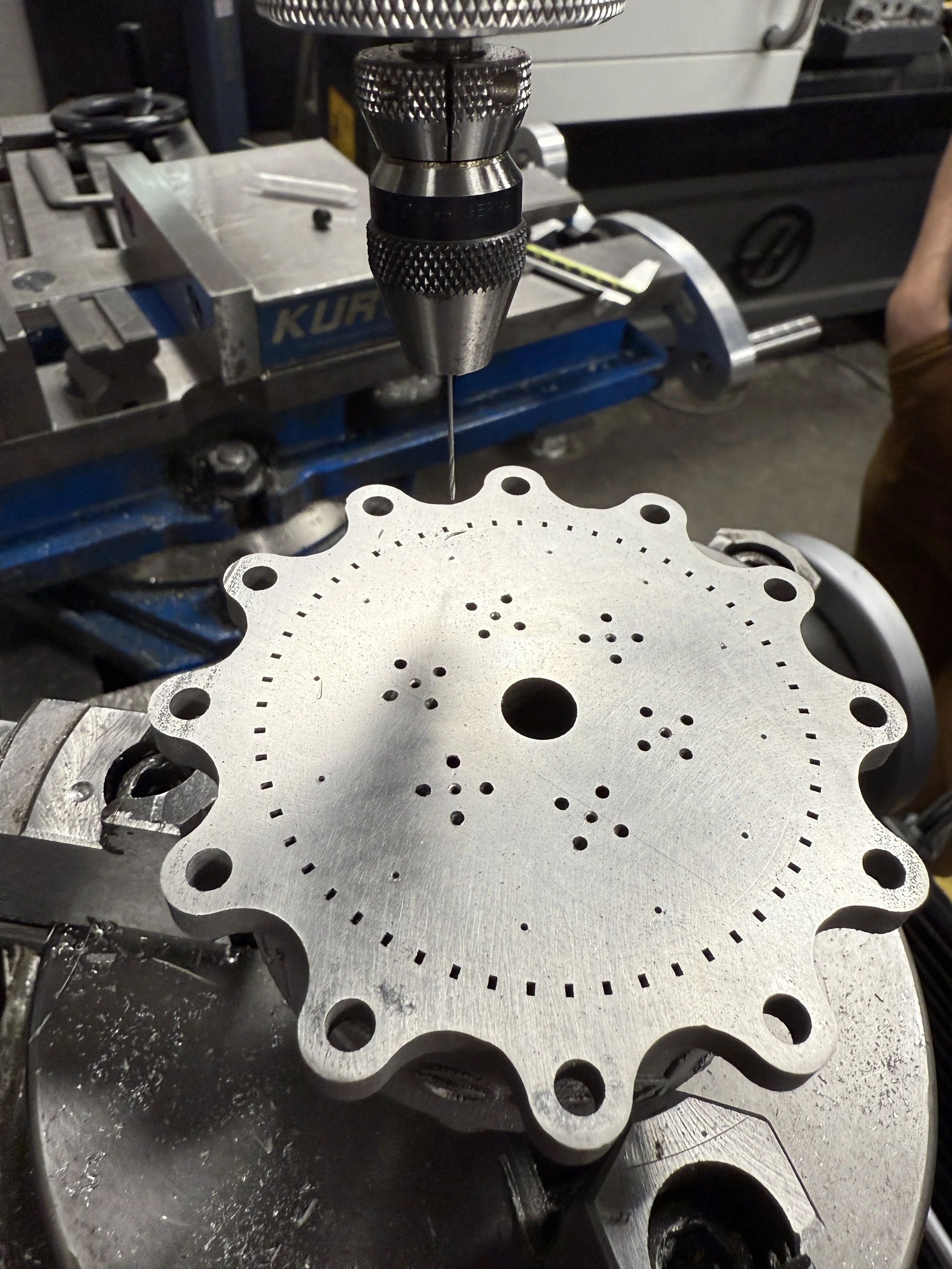
Film Cooling Drilling
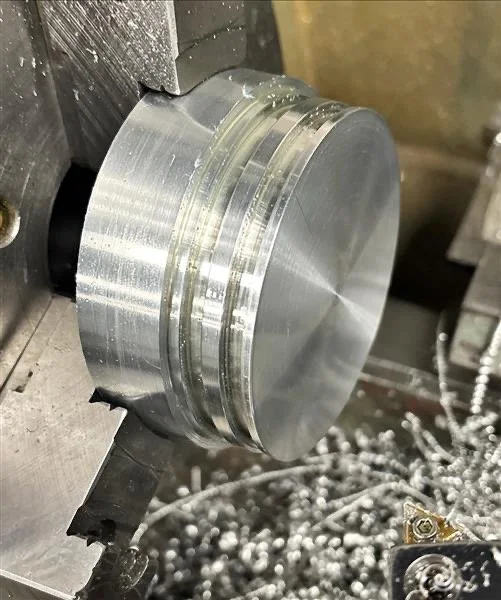
Bulkhead manufacturing
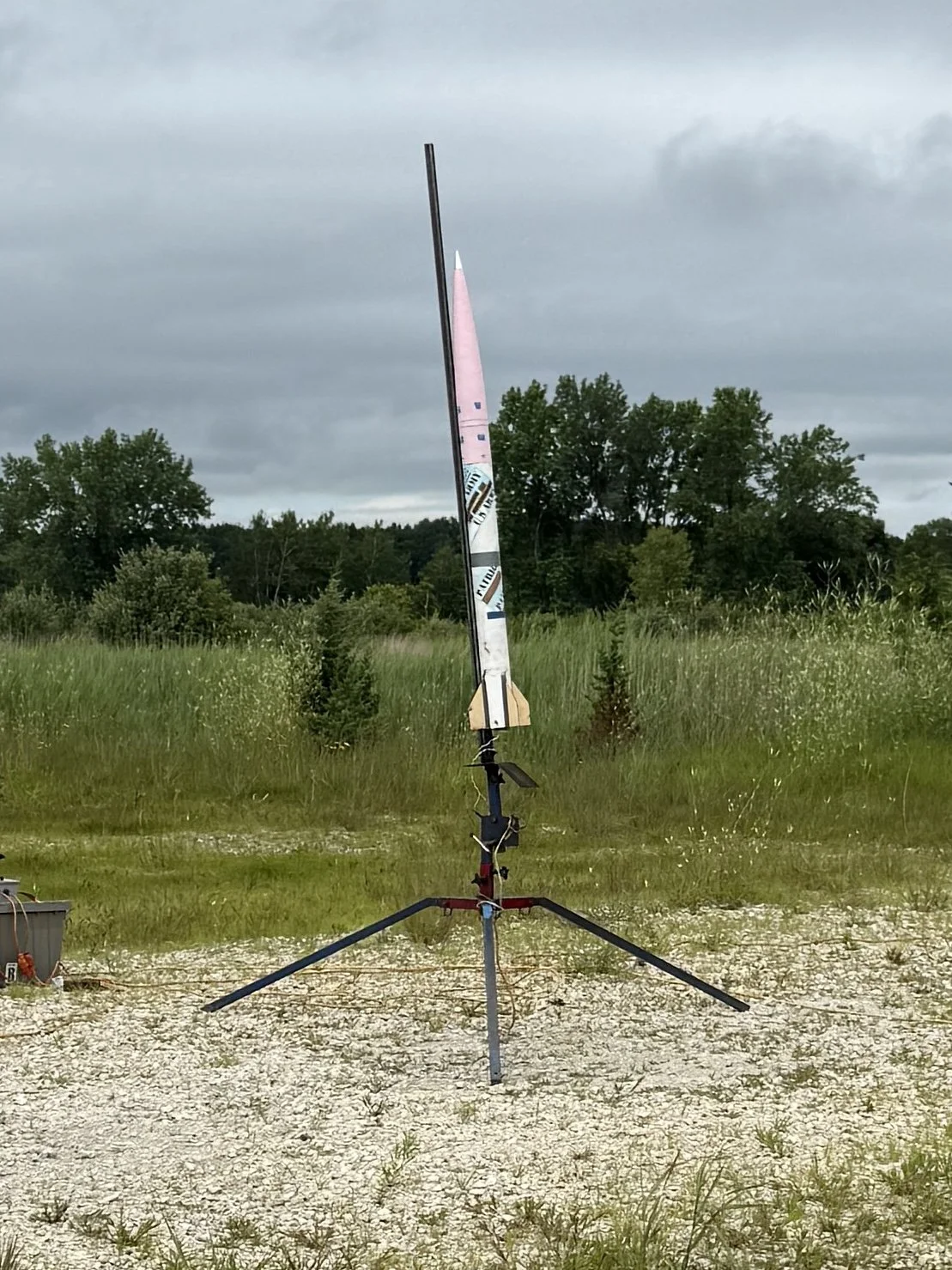
KISS-Patriot test vehicle
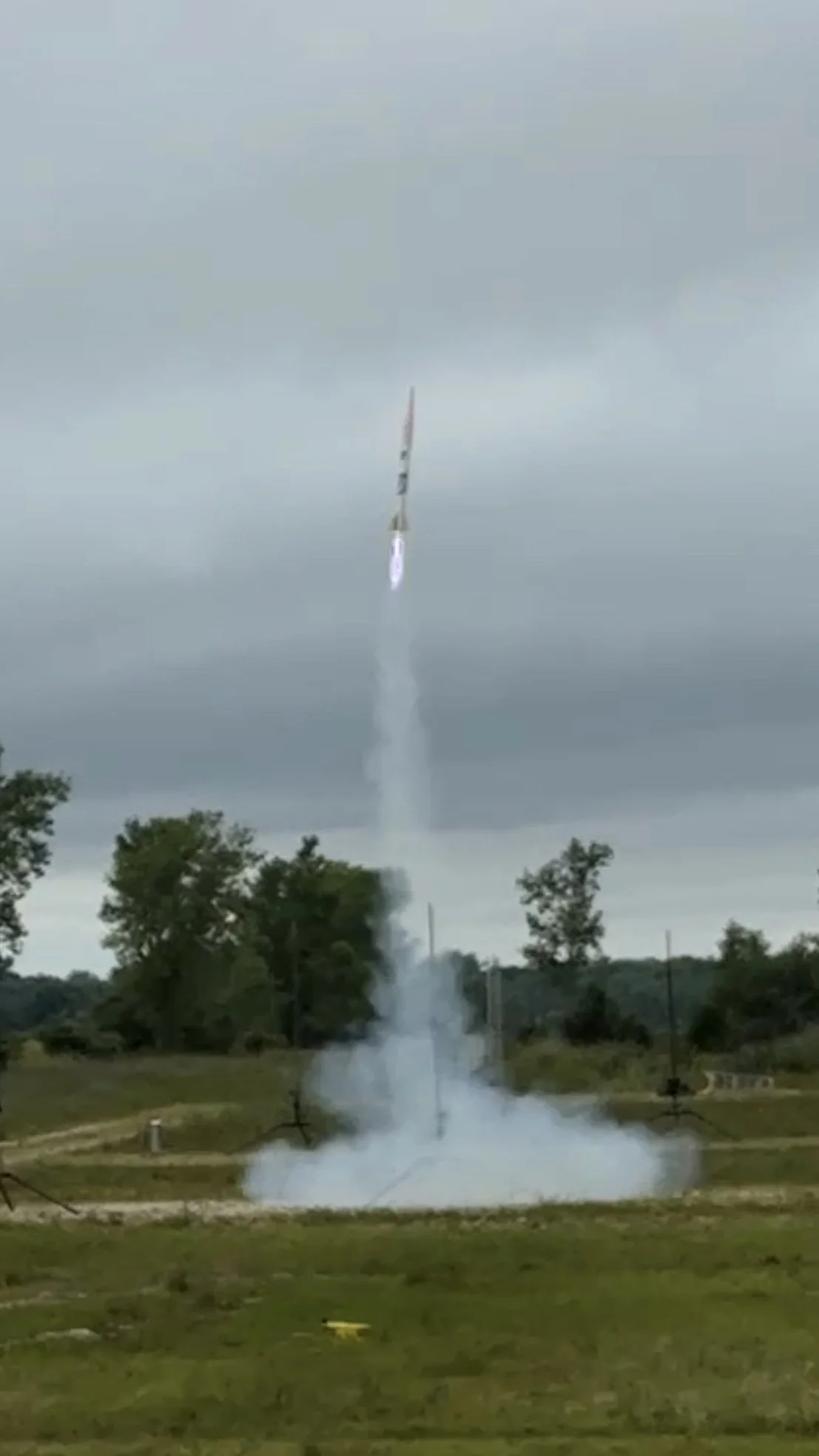
KISS-Patriot flight